CBD vs THC: What's the Difference Between These Two Cannabinoids?
CBD vs THC is one of the most searched questions by anyone exploring the world of cannabis. Both CBD and THC are cannabinoids found in the cannabis plant, but the differences between them are significant — from the effects on the body to legality, from chemical structure to how they interact with the endocannabinoid system.
In this guide, we analyse all the similarities and differences between CBD and THC, explaining how they work in the human body, what the properties of each are, and why cannabidiol CBD is legal while THC is a controlled substance in many countries.
What Are CBD and THC?
THC (delta 9 tetrahydrocannabinol) and CBD (cannabidiol CBD) are the two primary cannabinoids derived from the cannabis plant. The cannabis plant contains over 100 different cannabinoids, but THC and CBD are the most abundant and the most studied by research.
What Is THC?
THC is the active ingredient responsible for the psychoactive effects of cannabis and marijuana. It is the compound that produces the so-called "high" — the alteration of perception, mood and consciousness associated with cannabis use. THC is also known as d9 tetrahydrocannabinol, the primary psychoactive cannabinoid found in the cannabis plant.
When consumed, THC binds directly to CB1 receptors in the brain, activating reward systems and producing psychoactive effects. This is why marijuana with high THC content can cause significant changes in perception and cognition.
What Is CBD?
CBD, or cannabidiol CBD, is the second most abundant cannabinoid in the cannabis plant. Unlike THC, CBD does not produce psychoactive effects — it does not alter perception, does not cause a "high" and does not create dependency. Cannabidiol CBD has a favourable safety profile confirmed by the WHO, and it has properties that make it interesting for research and wellness.
CBD is also found in hemp plants, which are cannabis plants bred to contain less than 0.2% THC. Most CBD products on the market are derived from hemp, making them legal in many states and countries.
CBD vs THC: Chemical Structure and Differences Between Them
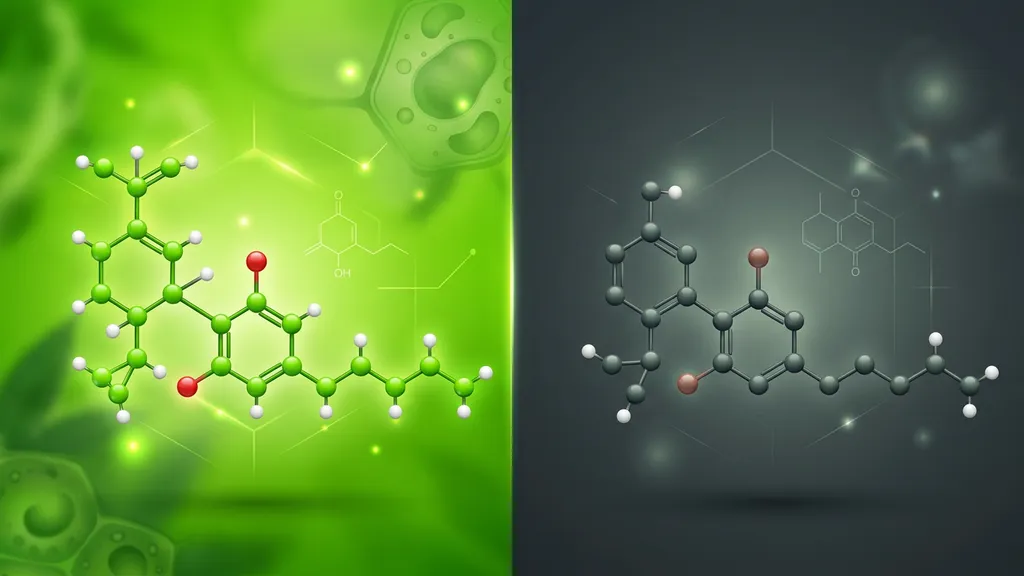
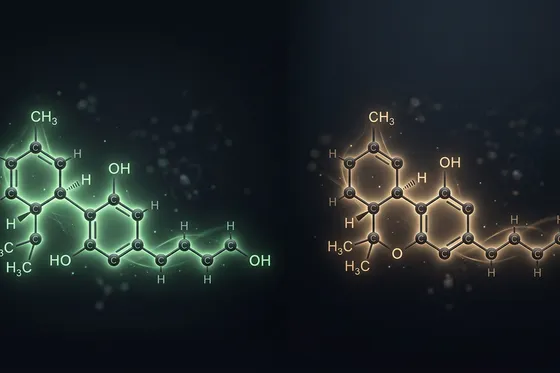
The similarities and differences between CBD and THC start with their chemical structure. Both CBD and THC have the same molecular composition — 21 carbon atoms, 30 hydrogen atoms and 2 oxygen atoms. The structure is nearly identical, but the arrangement of a single chemical bond changes everything.
The Molecular Structure of CBD and THC
The structure of both CBD and THC is so similar that they both interact with the endocannabinoid system in the body. However, the small difference in three-dimensional structure produces completely different effects:
- THC binds directly to CB1 receptors in the brain — this is the reason for its psychoactive effects and the "high"
- CBD does not bind directly to CB1 and CB2 receptors in the same way. CBD acts indirectly, modulating the functions of the endocannabinoid system without altering consciousness
This structural difference and the distinct way each cannabinoid interacts with receptors is the fundamental reason why THC produces psychoactive effects and CBD does not. Both CBD and THC are cannabinoids from the cannabis plant, yet they could not be more different in their effects on the human body.
How CBD and THC Interact with the Endocannabinoid System
Both CBD and THC interact with the endocannabinoid system (ECS), a complex network of receptors and endogenous compounds found throughout the body. The endocannabinoid system regulates many fundamental functions — mood, pain, sleep, appetite, memory and immune response.
CB1 Receptors and the Central Nervous System
CB1 receptors are concentrated in the central nervous system, particularly in the brain. THC binds primarily to CB1 receptors — this interaction is the direct cause of its psychoactive effects. When THC binds to CB1 receptors in the brain, it activates reward systems and alters cognitive functions, producing the "high."
CBD, on the other hand, does not bind directly to CB1 receptors. CBD can actually modulate CB1 receptor activity, attenuating some effects of THC. This is why some products combine both CBD and THC — CBD can balance the psychoactive effects of THC.
CB1 and CB2 Receptors and the Immune System
CB2 receptors are distributed mainly in the immune system and peripheral tissues. Both CBD and THC interact with CB2 receptors, but in different ways:
- THC can activate CB2 receptors, modulating immune response and inflammation
- CBD primarily interacts with CB2 receptors and other receptors in the body, such as serotonin receptors. This interaction is the basis of the potential anti-inflammatory and anxiolytic properties of cannabidiol
The Endocannabinoid System and Body Balance
The endocannabinoid system plays a fundamental role in maintaining homeostasis — the internal balance of the body. Both cannabinoids interact with the endocannabinoid system, but in different ways. THC can disrupt this balance (producing the "high"), while CBD appears to support the endocannabinoid system in its regulatory work without altering cognitive functions.
The relationship between THC and CBD in the endocannabinoid system is complex. The ECS responds differently to various concentrations of these two cannabinoids, and the ratio of CBD and THC in a product can significantly influence the overall effects.
Side Effects and Psychoactive Effects: The Key Difference Between CBD vs THC
The most important difference between CBD and THC concerns psychoactive effects. This is the point that clearly separates the two cannabinoids.
Effects of THC
THC produces psychoactive effects that include:
- High: a sensation of euphoria and altered perception
- Cognitive alteration: THC can affect memory, concentration and reaction time
- Increased appetite: the so-called "munchies"
- Altered time perception: THC can make time feel slower
- Anxiety and paranoia: at high doses or in predisposed people, THC can cause anxiety and discomfort
THC is also used in medical cannabis — prescribed by doctors for the treatment of chronic pain, nausea and vomiting from chemotherapy, and other conditions. However, its side effects and psychoactive properties limit its everyday use and make it a controlled substance in many states.
Effects of CBD
CBD does not produce psychoactive effects. While CBD interacts with the endocannabinoid system, it does so without altering consciousness. The effects of CBD include:
- Relaxation: CBD has calming properties — it relaxes without causing impairment
- Mood support: CBD may help manage stress and anxiety
- Sleep quality: some research suggests that CBD can improve sleep quality
- Pain management: CBD may have anti-inflammatory and analgesic properties for chronic pain and other conditions
- No "high": CBD does not alter perception or cognitive functions
CBD can be used during the day, at work, while driving — without affecting mental abilities. This is a fundamental difference with THC and one of the main reasons people choose CBD products.
CBD and THC: Side Effects Compared
Here is a comprehensive comparison of the similarities and differences between the two cannabinoids:
| CBD (Cannabidiol) | THC (Tetrahydrocannabinol) | |
|---|---|---|
| Psychoactive effects | No | Yes — produces the "high" |
| Side effects | Rare and mild | Anxiety, paranoia, cognitive alteration |
| Chemical structure | C21H30O2 | C21H30O2 (same composition) |
| Primary receptors | CB2, serotonin (5-HT1A) | CB1 in the brain |
| Dependency | No (confirmed by WHO) | Possible with prolonged use |
| Safety profile | Excellent | Risk of side effects |
| Legality | Legal in most countries | Controlled substance in many states |
| Medical use | Under study + Epidiolex | Medical cannabis (prescription) |
| Drug test | Generally does not trigger | Will trigger a drug test |
Similarities Between CBD and THC
Despite the differences, both CBD and THC share important similarities:
- Both are derived from the cannabis plant
- Both interact with the endocannabinoid system in the body
- Both have potential therapeutic properties studied by research
- Both are found in various varieties of hemp and marijuana
- The ratio of CBD and THC in a product determines the overall experience
CBD vs THC and Drug Test Concerns
One important practical consideration in the CBD vs THC debate involves drug testing. THC is the compound that drug tests look for, and it can remain detectable in the body for days or weeks after use.
CBD products that contain less than 0.2% THC are generally considered safe in terms of drug testing. However, if you use full-spectrum CBD products regularly, trace amounts of THC could theoretically accumulate. If you are concerned about a drug test, consider using CBD isolate products or broad-spectrum CBD products that contain no THC at all.
It is also important to buy CBD products from reputable sources that provide third-party lab reports confirming THC levels. This is the best way to ensure that your CBD product will not cause issues on a drug test.

Health Effects of CBD and THC
Both CBD and THC are subjects of research for their potential therapeutic properties. Studies on CBD and THC are growing, and results are promising for various health conditions.
Studied Benefits of CBD
Research on cannabidiol CBD suggests potential properties for:
- Anxiety disorders: several studies show that CBD may reduce anxiety without altering cognitive functions
- Sleep disorders: CBD may improve sleep quality
- Chronic pain: CBD may have anti-inflammatory properties useful in pain management
- Epilepsy: Epidiolex (a CBD-based drug) is approved by the FDA for treating rare forms of epilepsy
- Neuroprotection: CBD is being studied for potential neuroprotective properties
- Inflammation: CBD may modulate the inflammatory response through the endocannabinoid system
Studied Benefits of THC
THC has recognised therapeutic effects in medical contexts:
- Chronic pain: THC can be effective in the treatment of pain, especially neuropathic pain
- Nausea and vomiting: THC is used for patients undergoing chemotherapy to reduce nausea
- Appetite stimulation: useful for patients with conditions that cause weight loss
- Muscle spasticity: THC can help patients with multiple sclerosis and other conditions
However, THC carries risks that CBD does not — psychoactive effects, possible dependency with prolonged use, cognitive side effects. This is why medical cannabis requires prescription and medical supervision.
Safety Profile: CBD vs THC
The safety profile of CBD is significantly better than that of THC:
- CBD has an excellent safety profile — the WHO confirms it presents no risk of abuse
- THC can cause side effects — anxiety, paranoia, cognitive alteration, increased heart rate
- CBD does not create dependency. THC can create dependency with prolonged use
- Cannabis use with high THC content is associated with mental health risks, especially in young people
Legality of CBD and THC
The differences between CBD and THC are also reflected in legality, which varies significantly from one jurisdiction to another.
CBD: Legal in Many Countries
CBD derived from hemp is legal in most European countries and in many states worldwide. Products with THC content below legal limits can be sold freely. The European Court of Justice has ruled that CBD is not a narcotic and that member states cannot ban its sale if it is legally produced.
THC: Controlled in Many Countries
THC is a controlled substance in many countries. Marijuana (with high THC content) is illegal for recreational use in most of Europe. Medical cannabis containing THC is permitted with medical prescription in some states for patients with specific conditions.
Legal Products: The Key Is the THC/CBD Ratio
Legal cannabis products in Europe generally have a THC content below 0.2%. This low THC content ensures the absence of psychoactive effects. You can purchase CBD products without a prescription from physical shops and online retailers.
Where to Buy Legal CBD Products
If you are looking for high quality CBD products with THC content within legal limits:
- JustBob — CBD flowers, CBD hash, oils, extracts. Discount code PROMO15 for 15% off everything. Visit JustBob
- Terpy — CBD e-liquids. Discount code PROMO10 for 10% off. Visit Terpy
- SensorySeeds — cannabis seeds for collection. Discount code PROMO10 for 10% off. Visit SensorySeeds
Frequently Asked Questions: CBD vs THC
What's the difference between CBD and THC?
The main difference is in the psychoactive effects: THC produces the "high" and alters perception, while CBD has no psychoactive effects and does not alter consciousness. Both are cannabinoids from the cannabis plant, but THC binds directly to CB1 receptors in the brain, producing psychoactive effects, while CBD does not.
Can CBD and THC be used together?
Yes. In some legal cannabis products, CBD and THC are present together (with THC within legal limits). CBD can modulate the effects of THC, reducing side effects. In medicinal cannabis, the ratio of CBD and THC is calibrated by the doctor for treating specific conditions.
Can CBD counteract the effects of THC?
CBD can attenuate some effects of THC, particularly anxiety and paranoia. CBD acts on CB1 receptors indirectly, modulating the intensity with which THC binds to these receptors. This is why products with a balanced CBD and THC ratio tend to have less intense effects than products containing only THC.
Do CBD and THC cause dependency?
CBD does not create dependency — confirmed by the WHO with an excellent safety profile. THC can create dependency with prolonged and frequent use, although the risk is considered lower than with other substances.
Will CBD show up on a drug test?
Pure CBD should not trigger a drug test. However, some CBD products contain trace amounts of THC that could accumulate with regular use. If you are worried about a drug test, choose CBD isolate products that contain no THC.