CBD for Sleep: Can Cannabidiol Help You Get a Better Night's Rest?
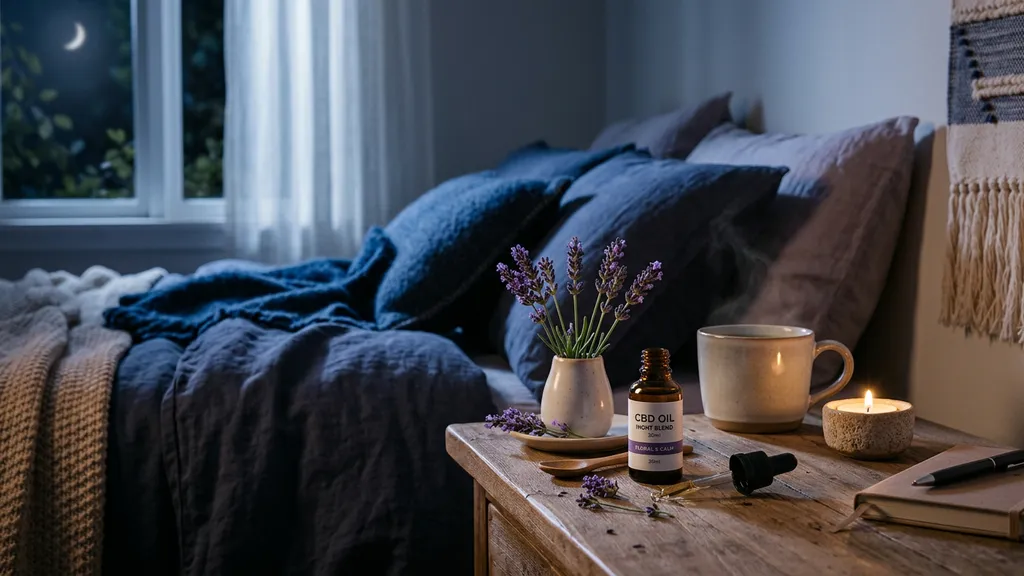
The connection between CBD sleep and rest quality is one of the most researched topics in the world of cannabidiol. Millions of people struggle with sleep disorders, and more research is pointing to CBD for sleep as a promising natural option. But does it actually work?
The short answer is that CBD may help improve sleep — particularly when poor sleep is driven by anxiety, stress, or chronic pain. In this guide, we explore what the science says, the best CBD products for sleep, how to take CBD before bed, and how to find the right dosage for your routine.
How CBD May Help You Sleep Better
Cannabidiol CBD is a compound found in the cannabis plant that interacts with the body's endocannabinoid system. This system plays a role in regulating many functions, including sleep, mood, pain, and stress. Unlike tetrahydrocannabinol THC, CBD is not psychoactive — it does not produce a high or any mind-altering effects.
CBD and the Endocannabinoid System
The endocannabinoid system contains receptors (CB1 and CB2) distributed throughout the body, including in the brain and nervous system. When CBD interacts with this system, it may influence sleep in several ways:
- Reducing anxiety: anxiety and stress are among the leading causes of sleep disorders. CBD may help calm the mind before bedtime, making it easier to fall asleep. If you're struggling to wind down at night, reducing anxiety can be the key to falling asleep faster.
- Promoting relaxation: CBD has calming properties that may help the body prepare for rest without altering natural sleep stages.
- Supporting the sleep-wake cycle: some research suggests that CBD may help regulate the sleep-wake cycle, improving sleep quality over time.
What the Research Says About CBD for Sleep
Research on CBD for sleep is still in the early stages, but the results so far are encouraging:
- A 2019 study published in The Permanente Journal found that 66.7% of participants reported improved sleep quality after taking CBD in the first month. The same study showed a reduction in anxiety and sleep scores in the majority of patients.
- Some studies suggest that CBD may affect REM sleep, potentially improving the depth and quality of sleep.
- CBD may be especially effective for sleep disorders driven by underlying conditions such as anxiety, chronic pain, and PTSD.
More research is needed to fully understand the effects of CBD on sleep, but the early evidence is promising enough that many people are incorporating CBD into their bedtime routine.
The Best CBD Products for Sleep
There are several forms of CBD you can take to help with sleep. The best product for you depends on your preferences, how quickly you want to feel the effects, and your experience with CBD.
CBD Oil for Sleep
CBD oil is the most popular choice for people who take CBD for sleep. You place a few drops under the tongue (sublingual method) and hold for 60–90 seconds before swallowing. The effects typically begin within 15–30 minutes — ideal timing for use before bed.
CBD oil offers precise dosage control. Each drop contains a specific amount of CBD (in mg), so you can adjust your dose easily. For sleep, many users prefer a full spectrum CBD oil, which contains other cannabinoids like CBN (cannabinol) — a compound with natural sedative properties. The combination of CBD and other cannabinoids in a full spectrum oil may produce an enhanced effect through the entourage effect.
CBD Capsules
CBD capsules offer a straightforward way to take CBD before bed. Each capsule contains a fixed dose, so there is no guesswork. Capsules take slightly longer to produce effects compared to CBD oil (30–60 minutes) because they pass through the digestive system. Some capsules are formulated specifically for sleep with added melatonin.
CBD Flowers (Vaporisation)
Vaporising CBD flowers provides the fastest onset of effects — within minutes. For those who want immediate relaxation before bed, this can be an effective option. You can find premium CBD flowers with the JustBob discount code for 15% off.

CBD and Melatonin: A Powerful Combination
The combination of CBD and melatonin is increasingly popular in sleep products, and for good reason — these two compounds work on different aspects of sleep.
What Is Melatonin?
Melatonin is a hormone naturally produced by the body that signals when it is time to sleep. Melatonin production increases in the evening and decreases in the morning, helping regulate the circadian rhythm — the body's internal clock.
Why CBD and Melatonin Work Together
CBD and melatonin complement each other:
- Melatonin acts directly on the circadian rhythm, telling the body it is time to sleep
- CBD reduces anxiety and promotes relaxation, helping the mind settle down at night
Together, they address both the physical and mental components of sleep. Melatonin helps you fall asleep at the right time; CBD helps quiet the racing thoughts that keep you awake. Many CBD oils designed for sleep now include both compounds in a single product.

CBD Dosage for Sleep: How Much Should You Take?
Finding the right CBD dosage for sleep is personal. It depends on your body weight, the severity of your sleep issues, and your individual response to CBD. Here is a general guide to help you get started.
| Level | Dosage | Best for |
|---|---|---|
| Low | 10–20 mg of CBD | Beginners, mild sleep issues |
| Medium | 20–40 mg of CBD | Regular users, moderate insomnia |
| High | 40–80 mg of CBD | Experienced users, significant sleep disorders |
How to Find Your Ideal Dose
- Start with a low dose (10–15 mg of CBD) about 30 minutes before bed
- Maintain the same dosage for at least one week to allow your body to adjust
- If you don't notice improvement, increase by 5–10 mg at a time
- The ideal dose is the minimum amount that helps improve sleep without causing next-day drowsiness
- Be consistent — many users report the best results after 2–3 weeks of regular use
CBD does not cause dependency or withdrawal effects. You can take CBD for sleep as part of your nightly routine without concern about building tolerance in the same way that occurs with some sleep medications.
Sleep Disorders and CBD: When It May Help
CBD for sleep may provide natural support for several types of sleep disorders.
Insomnia from Stress and Anxiety
Stress and anxiety are among the most common causes of insomnia. When the mind cannot switch off at night, falling asleep becomes difficult. CBD may help by calming the nervous system and reducing the anxiety that keeps you awake. If you're dealing with anxiety and sleep problems, CBD could help break the cycle.
Chronic Pain and Sleep
People living with chronic pain often experience poor sleep. CBD may have anti-inflammatory and analgesic properties that, by reducing pain, allow for better rest at night. In this case, CBD helps sleep indirectly by improving physical comfort.
Disrupted Sleep-Wake Cycles
For people with irregular schedules — shift workers, frequent travellers, or those dealing with jet lag — CBD in combination with melatonin may support the regulation of the sleep-wake cycle and improve overall sleep quality.
Potential Side Effects of CBD for Sleep
CBD is generally well tolerated, with a good safety profile confirmed by the World Health Organization. However, some people may experience:
- Drowsiness the next day (especially at higher doses)
- Dry mouth
- Changes in appetite
- Interactions with medications
If you're taking any medications, it is important to consult your doctor before starting CBD for sleep. CBD may interact with certain drugs, including blood thinners and anti-seizure medications.
Where to Buy CBD for Sleep
For high-quality CBD products to support your sleep routine, the best online shops are:
- JustBob — CBD oil, flowers, hash, and extracts. Discount code PROMO15 for 15% off — shop now
- Terpy — CBD e-liquids. Discount code PROMO10 for 10% off — shop now
Frequently Asked Questions About CBD and Sleep
Does CBD for sleep really work?
Research and consumer experiences suggest that CBD may improve sleep quality, especially when sleep problems are caused by anxiety, stress, or chronic pain. CBD promotes relaxation and may help regulate the sleep-wake cycle. Results vary from person to person, and more research is still needed.
How much CBD should I take for sleep?
A starting dose of 10–20 mg of CBD taken about 30 minutes before bed is a good place to start. Increase gradually if needed. CBD oil is the most convenient format for adjusting your dosage.
Can I take CBD with melatonin?
Yes. Many sleep products combine CBD and melatonin. The two compounds work on different aspects of sleep — melatonin regulates the circadian rhythm, while CBD reduces anxiety and promotes relaxation. Together, they may provide more comprehensive sleep support.
Does CBD cause dependency?
No. CBD does not cause dependency or addiction. The WHO has confirmed that CBD presents no risk of abuse. You can use it regularly for sleep without concerns about withdrawal.
Are there side effects of CBD for sleep?
CBD is generally well tolerated. At higher doses, you may experience drowsiness the next day or dry mouth. If you take medications, consult your doctor before use to avoid potential interactions.