CBD Oil Guide: Complete Guide to Types, Spectrum and Benefits
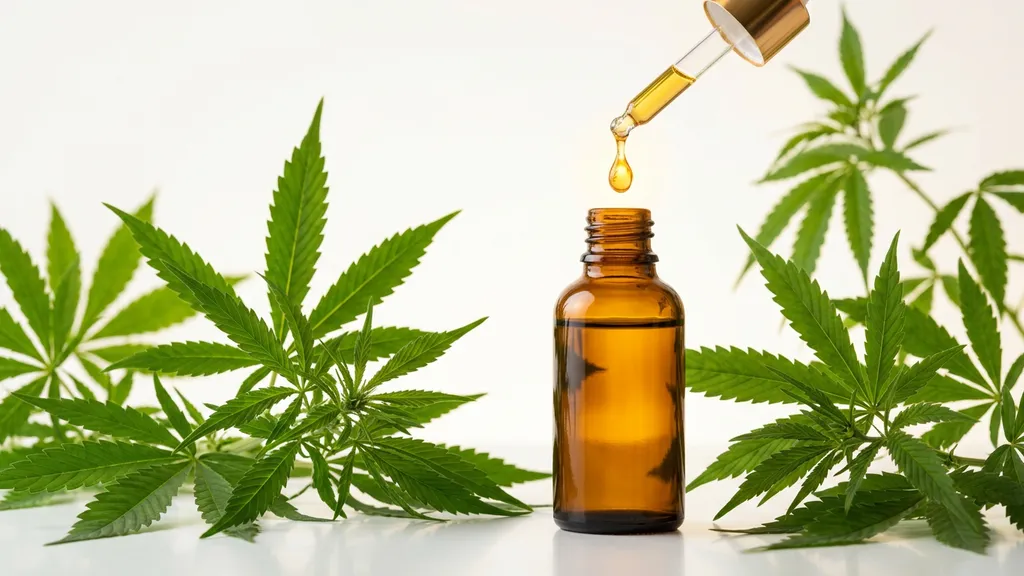
CBD oil is the most popular way to explore cannabidiol, and for good reason: it offers a wide range of concentrations that suit both beginners and experienced users.
But what are the main types of CBD oil, what are the differences between full spectrum and isolate, and where can you buy quality CBD oil online? This guide walks through every step: product types, differences between spectrums, realistic benefits and how to pick a trustworthy brand.
What Is CBD Oil?
CBD oil is an extract of cannabidiol (CBD), a naturally occurring compound found in the cannabis plant, diluted in a carrier oil, typically hemp seed oil or MCT oil (medium-chain triglycerides). The CBD is extracted from the hemp plant using methods that preserve its properties, then diluted to achieve specific concentrations.
How CBD Oil Is Made
The quality of CBD oil depends largely on the extraction method used:
- CO2 supercritical extraction: this is the most advanced and cleanest method. It produces a pure CBD oil with no solvent residues and is the method used by the best manufacturers on the market
- Solvent extraction: a less expensive method that uses alcohol or other solvents. The resulting oil may contain trace residues and is generally considered inferior
- Oil extraction: a traditional method that uses a carrier oil to draw CBD from the hemp plant. It produces a less concentrated product
When shopping for CBD oil, look for products made with CO2 extraction: this is the gold standard in the industry and ensures you are getting a high-quality product.
The CBD oil market has undergone a remarkable transformation in just a decade. In 2015, CBD oil was a niche product sold primarily in health food stores and online forums — most people had never heard of it. By 2020, the EU Court of Justice ruling in the Kanavape case confirmed that CBD is not a narcotic, opening the door to a clearer European market. Fast-forward to 2026, and CBD oil is stocked in high-street pharmacies, supermarkets and wellness boutiques across Europe. What started as a grassroots movement driven by early adopters and patient advocacy groups has become an established industry. This trajectory tells us something important: CBD oil is no longer an experiment, it is a settled category that continues to evolve.
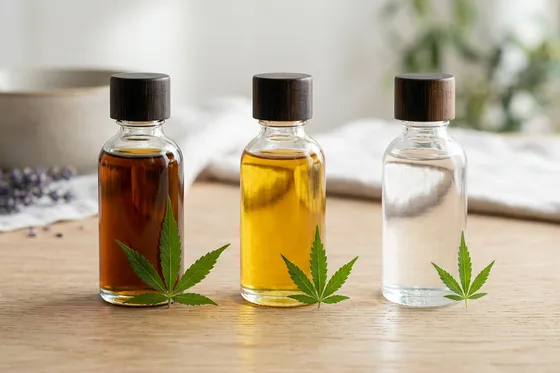
Types of CBD Oil: Full Spectrum, Broad Spectrum, and Isolate
Understanding the types of CBD oil available is essential for choosing the right product. There are three main categories.
Full Spectrum CBD Oil
Full spectrum CBD oil contains CBD along with other cannabinoids (CBG, CBN, CBC), terpenes, flavonoids, and trace amounts of THC (less than 0.3%). These compounds work together to produce what is known as the "entourage effect": a synergistic interaction that may enhance the properties of CBD compared to using CBD alone.
Full spectrum is generally the most recommended type of CBD oil. If you can tolerate trace amounts of THC and want the most complete experience, this is an interesting option.
Broad Spectrum CBD Oil
Broad spectrum CBD oil contains CBD and other cannabinoids and terpenes, but with THC completely removed. This is a good choice if you want to benefit from the entourage effect but need to avoid THC entirely, for example, if you are subject to drug testing.
CBD Isolate Oil
CBD isolate oil contains pure cannabidiol with no other compounds from the cannabis plant. It is the purest form of CBD, typically containing 99%+ CBD. Isolate is suitable for people who want only CBD without any other cannabinoids.
Choosing the Right CBD Oil Concentration
Finding the right CBD oil concentration is one of the most important aspects of exploring CBD. The choice depends on your preferences and your goals.
Concentration Guide
| Oil Concentration | Recommendation |
|---|---|
| 5% | Ideal for beginners |
| 10% | For regular users |
| 15% | For experienced users |
| 20% | For advanced users |
| 30% | Highest concentration |
How to Start
If you are new to CBD, follow these steps:
- Start with a low concentration (5-10%)
- Maintain the same routine for at least one week before considering a change
- If you are interested in a stronger product, consider higher concentrations gradually
- Keep a simple journal to track your experience
Finding Your Routine
The key to exploring CBD oil is consistency. CBD oil fits best into a regular wellness routine: many users report that the experience becomes more familiar after 2-3 weeks of consistent daily use. Do not expect dramatic results from a single use; CBD builds its profile over time.
Choosing a CBD oil is a bit like choosing a bottle of wine. You would not buy a wine without knowing whether it is red or white, where the grapes were grown, or how it was produced. The same logic applies to CBD oil. Full spectrum is your complex, terroir-driven wine with depth and layers. Broad spectrum is the dealcoholised version -- most of the character, with one element removed. And isolate is like pure grape extract: clean and simple, but missing the nuance that makes the whole greater than its parts. Once you start thinking about CBD oil in these terms, the market becomes much less confusing and the choice much more personal.
CBD Oil: What the Research Has Examined
CBD oil has been the subject of steady research interest. Here is a snapshot of what the literature and consumer experience cover.
Relaxation and Calm
CBD oil is widely associated with a sense of calm. Many users include CBD oil in their daily wellness routine. CBD acts as a positive allosteric modulator of the 5-HT1A serotonin receptor, one of the pathways examined in studies on stress response.
Sleep Support
Shannon et al. (2019, The Permanente Journal) reviewed records of 72 adults using CBD: 66.7% reported sleep improvements within the first month. For a detailed guide, read our article on CBD and sleep.
Anxiety and Mood
Bergamaschi et al. (2011, Neuropsychopharmacology) tested 600 mg of CBD in a small RCT on social anxiety patients with significant reductions in anxiety scores during a simulated public speaking task. Read our complete guide on CBD and anxiety.
Other Properties Under Study
Pharmacological work continues on CBD's multi-target activity, including TRPV1, GPR55 and GABA-A modulation. Some users include CBD oil in their wellness routine alongside physical activity.
Skin Care
CBD oil is also used in skincare. CBD's antioxidant profile has been characterised in vitro, and CBD-infused skincare products are increasingly available across the European market.
Side Effects of CBD Oil
CBD oil is generally well tolerated, with a safety profile that has been recognised by the World Health Organization. However, some people may experience side effects, particularly at higher concentrations:
- Dry mouth
- Drowsiness
- Changes in appetite
- Potential interactions with medications
If you are taking prescription medications, it is important to consult your doctor before using CBD oil. CBD can interact with drugs metabolised by the liver through the cytochrome P450 enzyme system. This includes some blood thinners, anti-seizure medications, and other prescription drugs.
CBD oil does not cause addiction or dependency. You can include it regularly in your routine without concern about withdrawal effects.

How to Choose the Best CBD Oil
With so many CBD products on the market, selecting the right CBD oil can feel overwhelming. Here are the key factors to consider.
Concentration
- 5%: ideal if you are new to CBD and want to start slow
- 10-15%: the sweet spot for most people, good balance between effectiveness and value
- 20-30%: for experienced users who have already found their preferred concentration
Third-Party Lab Testing
The best CBD oil products come with third-party certificates of analysis (COAs). These documents verify the CBD and THC content, and confirm the absence of contaminants such as heavy metals, pesticides, and residual solvents. If a product does not have lab reports available, consider other options.
Hemp Source
The quality of the cannabis plant matters. Look for CBD oil made from organically grown hemp, preferably from European sources where agricultural standards are high and traceability is straightforward.
Carrier Oil
Common carrier oils include hemp seed oil and MCT oil.
Do You Need a Prescription for CBD Oil?
No, you do not need a prescription to buy CBD oil in most countries. CBD products are sold as wellness products, not as medications. You can purchase CBD oil freely from online shops and health food stores.
A prescription is only required for medical cannabis products with high THC content, which are classified as medications and dispensed by pharmacies. CBD oil with low THC content (within legal limits) is a different product entirely and can be bought without a prescription.
When to Consult Your Doctor
Even though a prescription is not required, you should consult your doctor if:
- You are taking other medications: CBD can interact with certain drugs
- You are pregnant or breastfeeding
- You have a medical condition that requires specific treatment
- You want to include CBD oil in a routine alongside an existing medical treatment
Where to Buy CBD Oil
For high-quality CBD oil at the best prices, the top online shops are:
- JustBob: CBD oil in multiple concentrations, full spectrum and broad spectrum. Discount code PROMO15 for 15% off. Shop now
- Terpy: specialising in CBD e-liquids. Discount code PROMO10 for 10% off. Shop now
For full store reviews, read our JustBob review and Terpy review.
Frequently Asked Questions About CBD Oil
What is the regulatory status of CBD oil?
CBD oil with THC content within applicable national thresholds (typically 0.2-0.3% under the EU CAP cap of 0.3% in force since 2023) is widely available across most of Europe. National rules vary across member states. No prescription is required for hemp-derived CBD oil.
How much does CBD oil cost?
Prices vary depending on concentration and quality. A 10 ml bottle of 10% CBD oil typically costs between 30 and 60 euros. With the discount codes available on PromoCBD, you can save 15% at JustBob, making the value even better.
Does CBD oil have side effects?
CBD oil is generally well tolerated. Possible side effects at higher concentrations include drowsiness and dry mouth. If you take medications, consult your doctor to check for potential interactions.
Does CBD oil cause addiction?
No, CBD does not cause addiction. The World Health Organization has confirmed that cannabidiol does not present a risk of dependency or abuse. You can include it regularly in your routine without concern.
What is the difference between full spectrum and isolate?
Full spectrum CBD oil contains CBD plus other cannabinoids, terpenes and trace THC. Isolate contains only CBD. Full spectrum offers the entourage effect; isolate offers pure CBD without other compounds.