CBD for Anxiety: Can Cannabidiol Help With Stress and Anxiety Disorders?
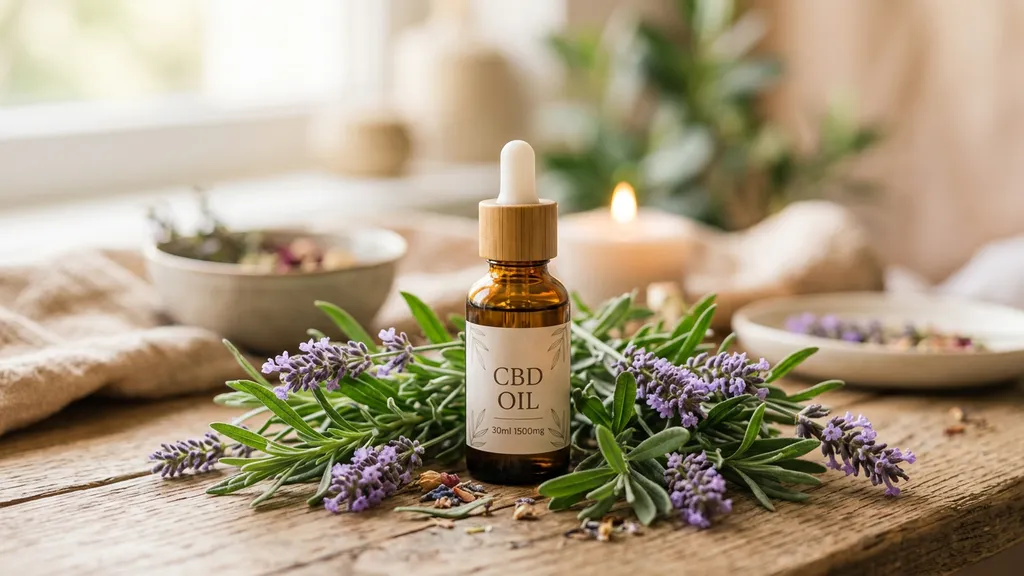
CBD anxiety relief is one of the most discussed topics in the world of natural wellness. Many people are turning to cannabidiol CBD as a potential alternative to pharmaceutical medications for managing stress, anxiety, and related mental health conditions. But does CBD actually work for anxiety? And if so, how?
In this article, we examine what clinical trials and studies reveal about CBD for anxiety, how CBD can interact with the body's systems, the right dosage to consider, and which products and forms of CBD are the best options for people dealing with anxiety and stress.
How CBD Can Help With Anxiety
Cannabidiol CBD is a naturally occurring compound found in the cannabis plant. Unlike THC (tetrahydrocannabinol), CBD is not psychoactive — it does not produce a high or any mind-altering effects. This makes CBD an appealing option for many people seeking relief from anxiety without the side effects associated with THC or prescription medications.
CBD and the Endocannabinoid System
The endocannabinoid system (ECS) is a complex network of receptors distributed throughout the body, including in the brain, immune system, and nervous system. The ECS plays a critical role in regulating mood, stress response, sleep, pain, and overall emotional balance.
CBD can interact with the endocannabinoid system by modulating CB1 and CB2 receptors. Unlike THC, CBD does not bind directly to these receptors — instead, it influences them indirectly, supporting the body's natural ability to manage stress and maintain equilibrium.
CBD and Serotonin Receptors
One of the most important mechanisms through which CBD can help with anxiety involves the serotonin system. Serotonin is a neurotransmitter that plays a key role in mental health, mood regulation, and emotional well-being. Low serotonin levels are associated with depression and anxiety disorders.
Research has shown evidence that CBD can interact with serotonin receptors (specifically the 5-HT1A receptor) in the brain, producing a calming effect similar to certain anti-anxiety medications — but without the risk of dependency or the side effects of pharmaceutical drugs. This interaction is at the heart of why many people report that CBD helps reduce their feelings of anxiety and stress.
Clinical Trials and Studies on CBD for Anxiety
The body of research on CBD and anxiety is growing. Multiple clinical trials and studies have explored the potential of cannabidiol in treating anxiety disorders, with results that are increasingly promising.
The 2019 Permanente Journal Study
A landmark study published in 2019 in The Permanente Journal examined 72 adults with anxiety and poor sleep. Participants were given CBD and monitored over several months. The results showed that 79.2% of patients experienced a reduction in anxiety scores in the first month. This study provided strong evidence that CBD can help with anxiety in a real-world clinical setting.
Social Anxiety Disorder Research
Social anxiety disorder is one of the most common anxiety disorders, affecting millions of people worldwide. A 2011 study examined the effects of CBD on patients with social anxiety disorder who were asked to perform a simulated public speaking test. Patients who received CBD showed significantly reduced anxiety, cognitive impairment, and discomfort compared to the placebo group.
This evidence suggests that CBD can help people manage anxiety in social situations — meetings, presentations, public events — without the sedation that comes from traditional anti-anxiety medications.
CBD and PTSD
Post-traumatic stress disorder (PTSD) is a severe anxiety disorder that can develop after experiencing or witnessing a traumatic event. Several studies have investigated whether CBD can help with PTSD symptoms, including intrusive memories, hyperarousal, and sleep disturbances. Early clinical trials suggest that CBD may reduce the severity of PTSD symptoms, particularly when used alongside therapy. More research is needed, but the initial evidence that CBD can help with trauma-related anxiety is encouraging.
Stress Response Research
Multiple studies suggest that CBD can modulate the body's stress response. CBD may reduce cortisol levels — the hormone associated with stress — and help attenuate the "fight or flight" response. For people living with chronic stress, this could mean a calmer baseline state and fewer episodes of acute anxiety.
Does CBD Work for Different Anxiety Disorders?
Anxiety is not a single condition — it encompasses a range of disorders, each with its own characteristics. Here is what we know about how CBD may help with different types of anxiety.
Generalised Anxiety Disorder (GAD)
GAD involves persistent, excessive worry about everyday situations. Evidence that CBD can reduce generalised anxiety comes from both animal and human studies. CBD may help people with GAD by calming the nervous system and reducing the constant state of alertness that characterises this condition.
Panic Disorder
Panic disorder involves recurrent panic attacks — sudden episodes of intense fear accompanied by physical symptoms like rapid heartbeat, shortness of breath, and dizziness. Some research suggests that CBD can reduce the intensity of the stress response that triggers panic attacks. CBD is not a replacement for medical treatment, but it may be a useful complementary support.
Social Anxiety Disorder
As noted in the clinical trials section above, CBD has shown particular promise for social anxiety. Many people use CBD before anxiety-inducing social events and report feeling more at ease.
Anxiety and Depression
Anxiety and depression frequently co-occur. Because CBD interacts with serotonin receptors, it may offer benefits of CBD for both conditions simultaneously. Some studies suggest that CBD has antidepressant-like effects in animal models, though more human trials are needed.
How to Use CBD for Anxiety: A Practical Guide
If you are considering using CBD for anxiety, here is how to get started safely and effectively.
CBD Oil: The Most Popular Format
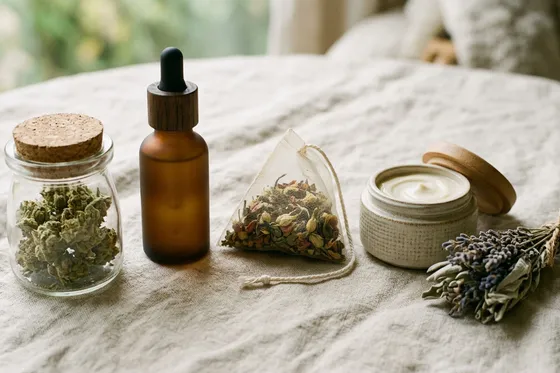
CBD oil is the product most commonly used for anxiety. You place a few drops under the tongue, hold for 60–90 seconds, and then swallow. The sublingual method allows for relatively fast absorption — you can expect to feel the effects within 15–30 minutes.
For treating anxiety, many people prefer a full spectrum CBD product. Full spectrum products contain CBD along with other cannabinoids and terpenes from the cannabis plant, which may work together to enhance the calming effects through the entourage effect.
CBD Dosage for Anxiety
The right dosage of CBD for anxiety varies from person to person. Here is a general guide:
| Level | Dosage | Recommended for |
|---|---|---|
| Low | 10–20 mg of CBD | Beginners, mild stress |
| Medium | 20–40 mg of CBD | Regular use, moderate anxiety |
| High | 40–60 mg of CBD | Significant symptoms (consult your doctor) |
How to find your dosage:
- Start with a low dose — 2–3 drops of CBD oil (approximately 10–15 mg)
- Take CBD at the time of day when you feel the most stress
- Maintain the same dosage for at least one week
- If you do not feel sufficient relief, increase gradually by 5 mg
- The ideal dosage is the minimum amount that provides a noticeable calming effect
CBD does not cause dependency. You can use it regularly without risk of addiction.
Other Forms of CBD for Anxiety
Beyond CBD oil, there are other formats that many people find helpful:
- CBD capsules: pre-measured doses, convenient to carry and take throughout the day
- CBD flowers: when vaporised, CBD flowers deliver effects within minutes — ideal for acute anxiety moments. Find premium flowers with the JustBob discount code for 15% off
- CBD e-liquids: for those who prefer vaping, CBD e-liquids offer fast-acting relief. Available at Terpy with 10% off
CBD and Sleep Problems Related to Anxiety
Anxiety and sleep disorders are closely connected. When the mind cannot quiet down at night, falling asleep becomes nearly impossible. Many people with anxiety report lying awake for hours, trapped in a cycle of racing thoughts.
CBD can help break this cycle. By reducing anxiety and promoting relaxation, CBD supports better sleep quality. In the 2019 study mentioned earlier, participants reported improvements in both anxiety and sleep. For a complete guide, read our article on CBD and sleep.
CBD vs Anti-Anxiety Medications
Many people wonder if CBD can replace their anxiety medications. It is important to approach this question carefully.
What CBD Offers
- It is a natural compound from the cannabis plant
- It does not produce psychoactive effects
- It does not cause dependency
- It has a good safety profile (confirmed by the WHO)
- It can be used as a daily wellness support
- It offers calming properties without sedation
What Medications Offer
- They are prescribed and monitored by a doctor
- They have proven clinical efficacy for specific disorders
- Some (like benzodiazepines) can cause dependency
- They may have significant side effects
- They are necessary for severe anxiety disorders
CBD is not a substitute for prescribed anti-anxiety medications. If your doctor has prescribed treatment for an anxiety disorder, do not stop taking it to use CBD instead. CBD may serve as a complementary support — discuss this with your doctor. Some people use CBD as a natural remedy for everyday stress while reserving medication for more acute episodes.
Benefits of CBD for Mental Health
The benefits of CBD extend beyond anxiety relief. Research is exploring CBD's potential role in broader mental health contexts:
- Stress management: CBD can help manage daily stress by modulating the cortisol response
- Mood regulation: through its interaction with serotonin receptors, CBD may support a more balanced mood
- Focus and calm: some users report that CBD helps them feel calmer and more focused without the drowsiness associated with other calming substances
- Sleep improvement: by reducing anxiety, CBD can indirectly improve sleep quality, which in turn supports overall mental health
Where to Buy CBD for Anxiety
For high-quality CBD products to support your mental well-being, the best online shops are:
- JustBob — CBD oil, flowers, hash, and extracts. Discount code PROMO15 for 15% off — shop now
- Terpy — CBD e-liquids. Discount code PROMO10 for 10% off — shop now
- SensorySeeds — cannabis seeds. Discount code PROMO10 for 10% off — shop now
Frequently Asked Questions About CBD and Anxiety
Does CBD help with anxiety?
Evidence from clinical trials suggests that CBD can help reduce anxiety by acting on serotonin receptors and the endocannabinoid system. Many people report that CBD helps them feel calmer and more relaxed. Results vary from person to person, and more research is still being conducted.
How much CBD should I take for anxiety?
A starting dosage of 10–20 mg of CBD is a good entry point. Take CBD at the moment of day when you experience the most stress. Increase gradually if you need to. Many users find their optimal range between 20 and 40 mg per day.
Is CBD a medication for anxiety?
No, CBD is not a medication. CBD products sold online are wellness products, not drugs. If you have a diagnosed anxiety disorder, consult your doctor before using CBD as a complementary support.
Can CBD help with panic attacks?
Some studies and consumer experiences suggest that CBD can help manage symptoms associated with panic attacks thanks to its calming effect on the nervous system. However, CBD is not a replacement for medical treatment for panic disorder.
Does CBD have side effects?
CBD is generally well tolerated. Possible effects at high doses include drowsiness and dry mouth. CBD may interact with some medications — if you are taking prescription drugs, consult your doctor before use.