CBD Oil Guide: Everything You Need to Know About Choosing and Using CBD Oil
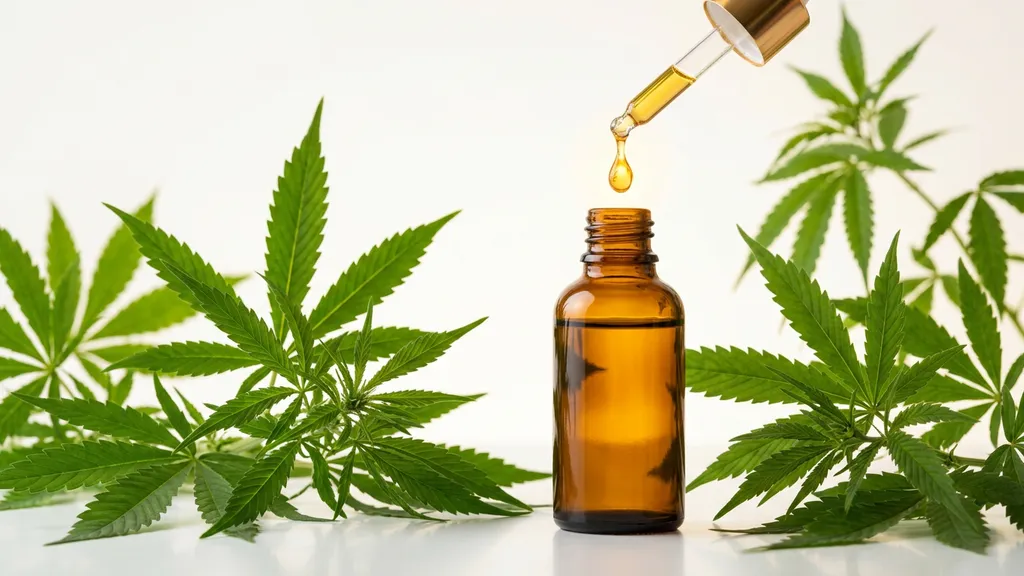
This CBD oil guide covers everything from the basics to advanced tips — so whether you are new to CBD or an experienced user looking to refine your routine, you will find what you need here. CBD oil is the most popular way to take CBD, and for good reason: it offers precise dosage, fast absorption, and a wide range of concentrations to suit every need.
But how do you choose the best CBD oil? How much should you take? What is the difference between full spectrum and isolate? And where can you buy quality CBD products? Let us walk through it all.
What Is CBD Oil?
CBD oil is an extract of cannabidiol (CBD) — a naturally occurring compound found in the cannabis plant — diluted in a carrier oil, typically hemp seed oil or MCT oil (medium-chain triglycerides). The CBD is extracted from the hemp plant using methods that preserve its beneficial properties, then diluted to achieve specific concentrations.
How CBD Oil Is Made
The quality of CBD oil depends largely on the extraction method used:
- CO2 supercritical extraction: this is the most advanced and cleanest method. It produces a pure CBD oil with no solvent residues and is the method used by the best manufacturers on the market
- Solvent extraction: a less expensive method that uses alcohol or other solvents. The resulting oil may contain trace residues and is generally considered inferior
- Oil extraction: a traditional method that uses a carrier oil to draw CBD from the hemp plant. It produces a less concentrated product
When shopping for CBD oil, look for products made with CO2 extraction — this is the gold standard in the industry and ensures you are getting a high-quality product.
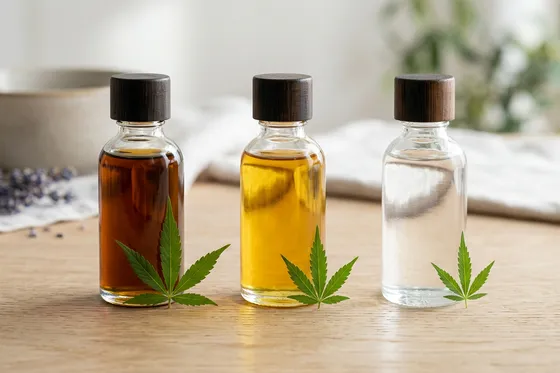
Types of CBD Oil: Full Spectrum, Broad Spectrum, and Isolate
Understanding the types of CBD oil available is essential for choosing the right product. There are three main categories.
Full Spectrum CBD Oil
Full spectrum CBD oil contains CBD along with other cannabinoids (CBG, CBN, CBC), terpenes, flavonoids, and trace amounts of THC (less than 0.3%). These compounds work together to produce what is known as the "entourage effect" — a synergistic interaction that may enhance the benefits of CBD compared to using CBD alone.
Full spectrum is generally the most recommended type of CBD oil. If you can tolerate trace amounts of THC and want the most complete experience, this is the best option.
Broad Spectrum CBD Oil
Broad spectrum CBD oil contains CBD and other cannabinoids and terpenes, but with THC completely removed. This is a good choice if you want to benefit from the entourage effect but need to avoid THC entirely — for example, if you are subject to drug testing.
CBD Isolate Oil
CBD isolate oil contains pure cannabidiol with no other compounds from the cannabis plant. It is the purest form of CBD, typically containing 99%+ CBD. Isolate is suitable for people who want only CBD without any other cannabinoids. However, it may not be as effective as full spectrum products due to the absence of the entourage effect.
How to Take CBD Oil
Taking CBD oil is straightforward. The most effective method is sublingual administration.
Sublingual Method (Under the Tongue)
- Shake the bottle well before use
- Use the dropper to measure your desired number of drops
- Place the drops under your tongue
- Hold the oil under the tongue for 60–90 seconds
- Swallow the remaining oil
The sublingual method allows for fast absorption — CBD enters the bloodstream through the mucous membrane under your tongue in approximately 15–30 minutes. This is significantly faster than oral ingestion (capsules), which must pass through the digestive system and may take 30–60 minutes or more.
Other Ways to Take CBD Oil
You can also:
- Add it to food or drinks: mix a few drops into your morning smoothie, coffee, or salad dressing. Note that absorption may be slower and the bioavailability lower
- Apply it topically: some people apply CBD oil directly to the skin for localised relief
- Take it in capsule form: pre-measured doses in capsule form, convenient if you prefer not to taste the oil
CBD Oil Dosage: How Much Should You Take?
Finding the right CBD oil dosage is one of the most important aspects of using CBD effectively. The dose depends on your body weight, the condition you are addressing, and your individual sensitivity to CBD.
Dosage Guide by Concentration
| Oil Concentration | CBD per Drop | Drops for 15 mg |
|---|---|---|
| 5% | ~2.5 mg | 6 drops |
| 10% | ~5 mg | 3 drops |
| 15% | ~7.5 mg | 2 drops |
| 20% | ~10 mg | 1–2 drops |
| 30% | ~15 mg | 1 drop |
How to Start
If you are new to CBD, follow these steps:
- Start with a low concentration (5–10%) to see how your body responds
- Take 2–3 drops, 1–2 times per day
- Hold each dose under your tongue for at least 60 seconds
- Maintain the same dosage for at least one week before adjusting
- If you need more, increase gradually by 1–2 drops at a time
- Track how you feel — many people keep a simple journal to monitor the effects
Finding Your Sweet Spot
The key to taking CBD oil effectively is consistency. CBD oil works best with regular use — many users report that benefits of CBD become more noticeable after 2–3 weeks of consistent daily use. Do not expect dramatic results from a single dose; CBD builds its effect over time as your body adjusts.
How much CBD you need may also change depending on what you are using it for. For example, some people use a lower dose during the day for focus and calm, and a higher dose before bed for sleep support.
Benefits of CBD Oil
CBD oil is valued for a wide range of potential benefits. Here is what research and consumer experience suggest.
Relaxation and Stress Relief
CBD oil is widely used for its calming properties. Many users take CBD oil to manage daily stress and promote a sense of calm. CBD interacts with the endocannabinoid system in the body, supporting mood regulation and stress response.
Sleep Support
One of the most appreciated benefits of CBD oil is its potential to improve sleep. Taking a few drops before bed may help you fall asleep more easily and experience more restful sleep. For a detailed guide, read our article on CBD and sleep.
Anxiety Management
CBD oil may help people manage anxiety. Studies have shown that CBD can reduce anxiety symptoms, including in cases of social anxiety. Read our complete guide on CBD for anxiety.
Anti-Inflammatory Properties
Research suggests that CBD has anti-inflammatory properties that may be beneficial for pain and inflammation. Some users take CBD oil for muscle and joint discomfort.
Skin Care
CBD oil is also used in skincare. The anti-inflammatory and antioxidant properties of cannabidiol may benefit the skin — reducing redness, irritation, and other concerns. CBD-infused skincare products are increasingly available on the market.
Side Effects of CBD Oil
CBD oil is generally well tolerated, with a safety profile that has been recognised by the World Health Organization. However, some people may experience side effects, particularly at higher doses:
- Dry mouth
- Drowsiness
- Changes in appetite
- Potential interactions with medications
If you are taking prescription medications, it is important to consult your doctor before using CBD oil. CBD can interact with drugs metabolised by the liver through the cytochrome P450 enzyme system. This includes some blood thinners, anti-seizure medications, and other prescription drugs.
CBD oil does not cause addiction or dependency. You can take it regularly without concern about withdrawal effects.

How to Choose the Best CBD Oil
With so many CBD products on the market, selecting the right CBD oil can feel overwhelming. Here are the key factors to consider.
Concentration
- 5%: ideal if you are new to CBD and want to start slow
- 10–15%: the sweet spot for most people — good balance between effectiveness and value
- 20–30%: for experienced users who have already found their dosage and prefer to use fewer drops
Third-Party Lab Testing
The best CBD oil products come with third-party certificates of analysis (COAs). These documents verify the CBD and THC content, and confirm the absence of contaminants such as heavy metals, pesticides, and residual solvents. If a product does not have lab reports available, consider other options.
Hemp Source
The quality of the cannabis plant matters. Look for CBD oil made from organically grown hemp, preferably from European or North American sources where agricultural standards are high.
Carrier Oil
Common carrier oils include hemp seed oil and MCT oil. MCT oil is generally considered to have better bioavailability, meaning your body may absorb the CBD more efficiently.
Do You Need a Prescription for CBD Oil?
No, you do not need a prescription to buy CBD oil in most countries. CBD products are sold as wellness products or dietary supplements, not as medications. You can purchase CBD oil freely from online shops and health food stores.
A prescription is only required for medical cannabis products with high THC content, which are classified as medications and dispensed by pharmacies. CBD oil with low THC content (within legal limits) is a different product entirely and can be bought without a prescription.
When to Consult Your Doctor
Even though a prescription is not required, you should consult your doctor if:
- You are taking other medications — CBD can interact with certain drugs
- You are pregnant or breastfeeding
- You have a serious medical condition that requires specific treatment
- You want to use CBD oil alongside an existing medical treatment
Where to Buy CBD Oil
For high-quality CBD oil at the best prices, the top online shops are:
- JustBob — CBD oil in multiple concentrations, full spectrum and broad spectrum. Discount code PROMO15 for 15% off — shop now
- Terpy — specialising in CBD e-liquids. Discount code PROMO10 for 10% off — shop now
For full store reviews, read our JustBob review and Terpy review.
Frequently Asked Questions About CBD Oil
Is CBD oil legal?
Yes, CBD oil with THC content within legal limits is legal in most countries, including across much of Europe and the United States. No prescription is required to purchase it.
How much does CBD oil cost?
Prices vary depending on concentration and quality. A 10 ml bottle of 10% CBD oil typically costs between 30 and 60 euros. With the discount codes available on PromoCBD, you can save 15% at JustBob, making the value even better.
Does CBD oil have side effects?
CBD oil is generally well tolerated. Possible effects at high doses include drowsiness and dry mouth. If you take medications, consult your doctor to check for potential interactions.
How long does it take to feel the effects of CBD oil?
With sublingual use, effects are typically felt within 15–30 minutes. The full benefits of CBD oil for overall well-being often become more noticeable after several weeks of regular use.
Does CBD oil cause addiction?
No, CBD does not cause addiction. The World Health Organization has confirmed that cannabidiol does not present a risk of dependency or abuse. You can take it regularly without concern.