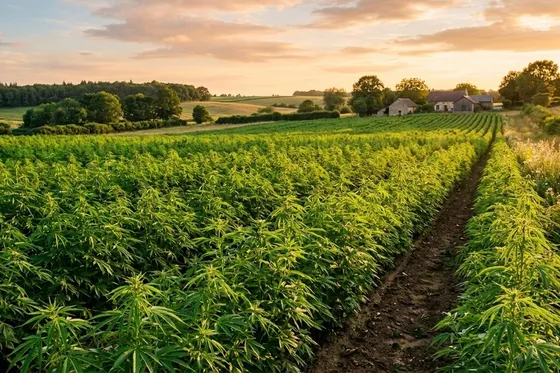
Organic CBD Oil: Everything You Need to Know
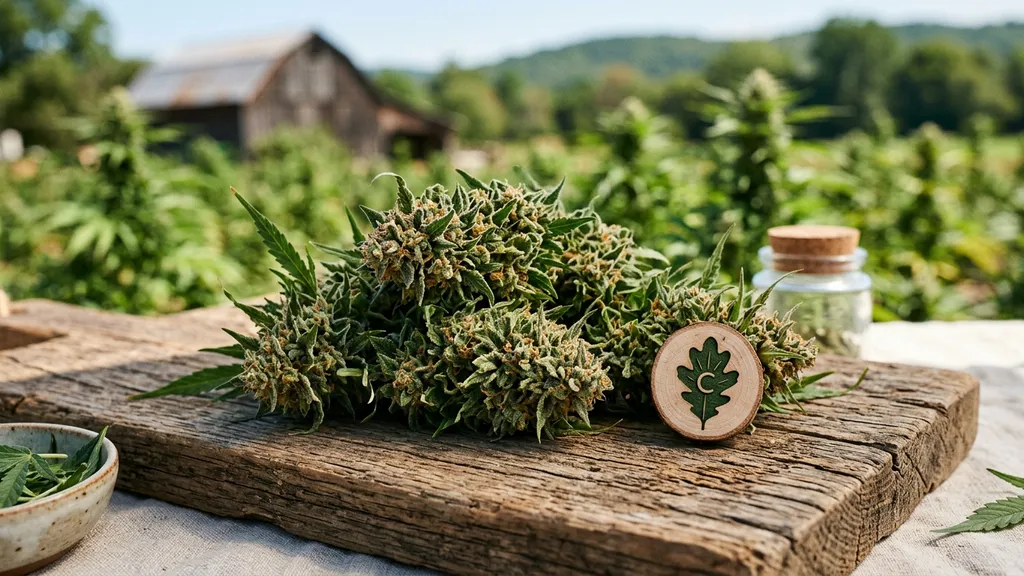
When people look into CBD, the focus tends to land on cannabidiol concentration, extract type, or product format. But there is another factor that is equally important for the final quality: how the hemp was actually grown. Organic CBD puts this question front and centre.
This guide explores what "organic" truly means in the hemp world, why soil quality and pesticide-free cultivation directly affect the end product (from CBD oil to CBD flowers) and how to navigate European certifications without getting lost.
What is organic hemp?
Organic hemp is grown following strict standards that ban synthetic pesticides, chemical herbicides, artificial fertilisers, and genetically modified organisms (GMOs). These standards are governed by the European regulation on organic farming (Regulation EU 2018/848).
Hemp: a naturally tough plant
Hemp (Cannabis sativa L.) has characteristics that make it especially well-suited for organic farming:
- Fast growth: hemp reaches maturity in 3-4 months, giving weeds little time to establish themselves
- Deep root system: roots penetrate up to 2 metres into the soil, improving soil structure and tapping nutrients other crops cannot reach
- Natural resistance: hemp is naturally resistant to many pests, reducing the need for phytosanitary treatments
- Phytoremediation: hemp can absorb heavy metals and pollutants from the soil -- an ecological quality that also highlights the importance of growing on clean land
That last point is a double-edged sword: if hemp is grown on contaminated soil, it absorbs the pollutants, which end up in the final product. That is why cultivation soil quality is absolutely critical.
This bioaccumulation ability is actually well documented by science. Research has shown that hemp plants can absorb and concentrate pesticides, heavy metals, and other contaminants at rates significantly higher than many other crops. In one study, hemp grown near a contaminated industrial site accumulated cadmium and lead levels that were several times higher than what was present in the surrounding soil. This is precisely why organic certification matters so much for hemp specifically: more than for most other crops, the purity of the soil translates directly into the purity of the final product sitting on your shelf.
To understand the basics, check out our complete guide to CBD.
Why soil quality matters
The soil hemp grows in directly determines the plant's chemical composition -- and therefore the quality of the CBD extracted from it.
Clean soil = clean CBD
Certified organic soil must have been free of synthetic chemicals for at least three years before the first organic harvest. This conversion period lets the soil restore its natural microbiological balance.
Soils rich in organic matter promote:
- A more complex and aromatic terpene profile in the flowers
- Better cannabinoid concentration
- Absence of pesticide residues in the final product
Crop rotation
Organic farming requires crop rotation -- hemp is not planted year after year on the same field. This practice prevents nutrient depletion, breaks pest and disease cycles, and maintains soil biodiversity.
Natural fertilisation
Instead of synthetic fertilisers, organic cultivation uses compost, cover crops, manure, and beneficial soil microorganisms that facilitate root nutrient uptake.
Organic certifications in Europe
Several certifications help identify a genuinely organic CBD product.
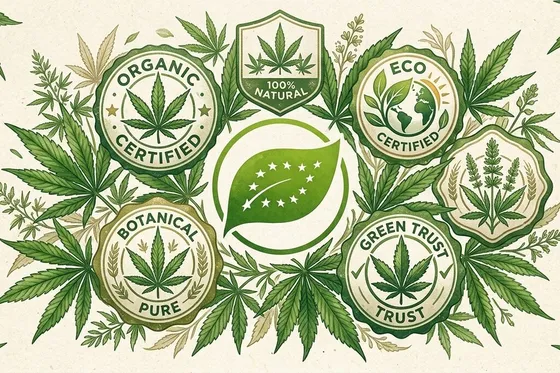
EU Organic Logo (Euro-leaf)
The "Euro-leaf" (green leaf made of stars on a green background) is the official organic logo of the European Union. Requirements:
- At least 95% of agricultural ingredients must be organic
- Cultivation must comply with Regulation EU 2018/848
- Annual inspections by accredited certification bodies
Demeter (biodynamic)
Demeter goes beyond conventional organic by incorporating biodynamic agriculture principles with even stricter standards and a holistic farm-as-ecosystem approach.
Organic CBD vs. conventional: the real differences
| Criteria | Organic CBD | Conventional CBD |
|---|---|---|
| Pesticides | Not detected | Possible residues |
| Herbicides | None | Possible residues |
| Heavy metals | Strict controls | Variable |
| Chemical fertilisers | None | Possible residues |
| GMOs | Prohibited | Not excluded |
Terpene profile
Organic growers often observe richer, more complex terpene profiles in their harvests. A living, balanced soil provides the plant with optimal nutrition, which translates into increased production of secondary metabolites -- including terpenes.
Environmental impact
Organic hemp cultivation contributes to preserving biodiversity, protecting groundwater from chemical infiltration, reducing agriculture's carbon footprint, and progressively improving soil quality.
Organic farming and terpenes: the connection
Terpenes -- those aromatic molecules that define every hemp variety's character -- are closely tied to growing conditions.
Rich, vital soil allows the plant to develop a more extensive root system, produce greater diversity of secondary metabolites including terpenes, and fully express its genetic potential without chemical stress.
Key terpenes that benefit from organic cultivation:
- Myrcene: herbal, earthy note linked to organic-rich soil
- Limonene: citrus note, sensitive to mineral nutrition quality
- Linalool: floral lavender scent, connected to soil balance
- Pinene: fresh pine note, favoured by natural surrounding environments
Learn more about terpenes and their synergy in our entourage effect guide.
Organic hemp in Europe: key regions
Europe offers fertile ground for organic hemp cultivation:
- France: largest European hemp producer with historical expertise
- Italy: Piedmont, Tuscany, and Puglia produce hemp with rich terpene profiles thanks to the Mediterranean climate
- Switzerland: benchmark for highest-quality organic hemp with the strictest standards
- Germany and Austria: dynamic organic hemp sector with growing demand
- Spain: regions like Catalonia and Andalusia are emerging with favourable climatic conditions
How to verify a CBD product is truly organic
Reliable indicators
- Euro-leaf logo or recognised organic label on the packaging
- Certification body number (e.g., UK-ORG-02, DE-OKO-006)
- Organic compliance certificate available on request from the manufacturer
- Certificates of Analysis (COA) confirming absence of pesticides
Theo, 36, an industrial designer based in a coastal town near Valletta, shares his perspective: "I used to think organic was just a marketing gimmick to charge more. Then I bought two similar CBD oils — one certified organic, one conventional — and compared the lab reports side by side. The organic one had zero pesticide residues detected. The conventional one showed trace amounts of three different pesticides, all within legal limits, but still present. That was enough for me. Now I always check for the Euro-leaf logo before buying."
Red flags
- "Natural" is not the same as "organic" -- the term is unregulated
- "Made with organic hemp" may mean only the hemp oil is organic, not the CBD
- No certification number or official logo should raise concerns
- Very low prices rarely align with certified organic cultivation
Discover CBD products at JustBob - 15% off
Organic CBD Oil vs Standard CBD Oils: The Difference That Matters
Organic CBD oil comes from hemp plants grown without synthetic pesticides, herbicides or chemical fertilisers, and the organic status is certified by an accredited body. Standard CBD oils can use conventional hemp cultivation, where residues sometimes survive into the final product. Because hemp is a bioaccumulator (it pulls contaminants from the soil), the quality of the cannabis oil you end up with depends heavily on where the plant was grown. For full spectrum CBD products in particular, organic sourcing affects not just CBD and cannabidiol content but also the terpene profile and the overall spectrum of cannabinoids present.
Characteristics of Organic CBD Oil
The research on organic CBD versus conventional is still young, but common observations include a cleaner flavour and a more consistent profile. For people exploring CBD oil as part of a wellness routine, an organic label is a marker of careful manufacturing from seed to bottle. Consistency matters, and organic CBD oils tend to deliver a more stable product because the hemp source is controlled. Some CBD products follow even stricter pharmaceutical GMP standards beyond organic.
FAQ -- Organic CBD
1. Is organic CBD really different from conventional?
Yes, mainly in terms of purity. Organic CBD is free from pesticide and herbicide residues and comes from quality-controlled soils. The terpene profile is often richer, which can influence the product's aromatic experience.
2. Does the organic label guarantee CBD quality?
The organic label guarantees growing methods, not CBD concentration or extraction quality. A certified organic product should also have a Certificate of Analysis (COA) confirming its cannabinoid content.
3. Does organic CBD cost more?
Generally yes, 10-30% more. Organic farming involves higher production costs (labour, certification, sometimes lower yields). However, the price difference is justified by superior purity and reduced environmental impact.
4. Is all European hemp organic?
No. The EU allows both conventional and organic hemp farming. Only hemp certified by an accredited body can carry the organic label. Always check for the Euro-leaf logo and certification number.
5. Where can you buy trustworthy organic CBD?
Look for shops that display organic certifications and supplier lab reports. At JustBob, you will find CBD products from hemp grown to high quality standards, with code PROMO15 for 15% off.
For more, check out our CBD flowers guide and our CBD oil guide.