What Is CBD? Everything You Need to Know About Cannabidiol
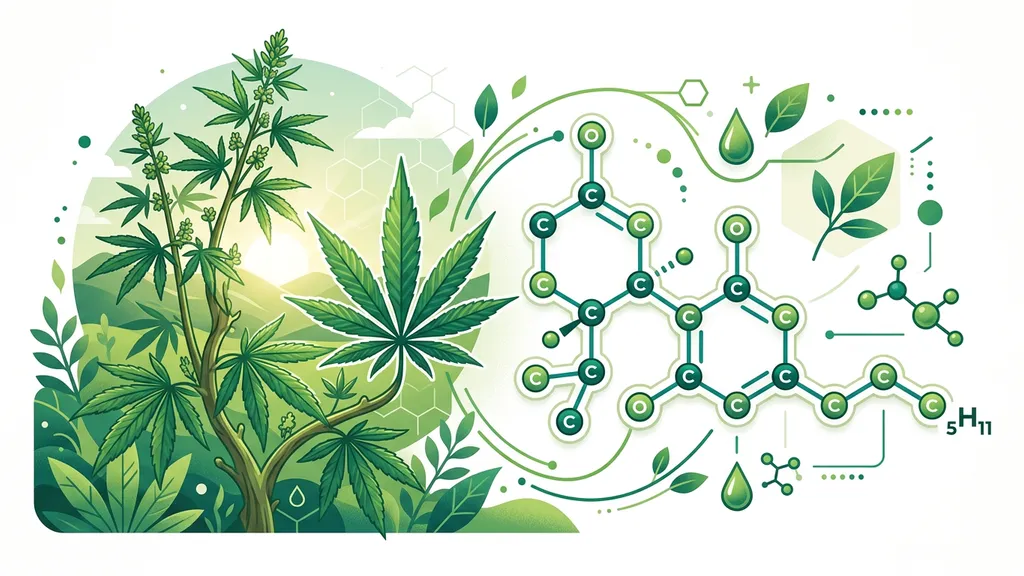
CBD is everywhere — from the shelves of health shops to the pages of medical journals. But what is CBD, really? Cannabidiol CBD is one of the most abundant cannabinoids found in cannabis plants, and unlike THC, it does not cause a high or any mind-altering effects. This single distinction has transformed CBD from an obscure plant compound into one of the most talked-about wellness ingredients in the United States and across Europe.
In this comprehensive guide, we explain what CBD is, how it works in the body, what the research says about the effects of CBD, the difference between CBD and THC, and where to find the best CBD products at a discount.
What Is CBD and Where Does It Come From?
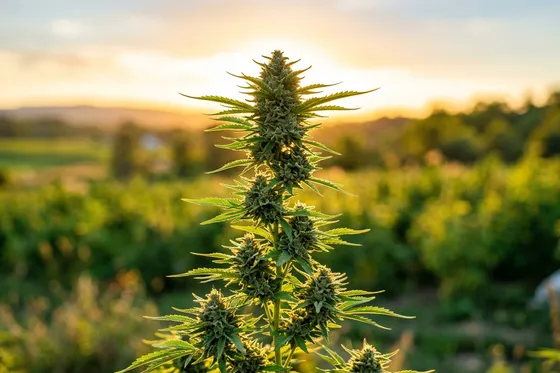
Cannabidiol CBD is a naturally occurring compound extracted from the hemp plant — a variety of the cannabis plant bred to contain less than 0.3% THC. The hemp plant contains over 100 different cannabinoids, but CBD and THC (tetrahydrocannabinol) are the two most well-known.
CBD comes from the flowers, leaves, and stalks of hemp. It is not the same as marijuana. While both hemp and marijuana belong to the cannabis family, hemp is defined in the United States as cannabis containing less than 0.3% THC. This legal distinction was established by the 2018 Farm Bill, which removed hemp-derived CBD from the controlled substances list and opened the market for CBD products across the country.
Unlike THC, CBD does not cause euphoria or mind-altering effects. The World Health Organization has concluded that CBD does not present risks of abuse or dependence. This is why products containing CBD derived from hemp are widely available in many states and in the European Union.
How CBD Works in the Body: The Endocannabinoid System
To understand the effects of CBD, you need to know about the endocannabinoid system (ECS). The ECS is a biological system found in all mammals, made up of receptors distributed throughout the body — in the brain, the nervous system, the immune system, and in organs and tissues.
The CB1 and CB2 Receptors
The two main receptors in the endocannabinoid system are:
- CB1 receptors: found primarily in the brain and the central nervous system. THC binds directly to CB1 receptors, which is why it produces mind-altering effects. CBD does not bind directly to CB1 receptors — this is the key reason CBD does not cause a high.
- CB2 receptors: distributed in the immune system and peripheral tissues. CBD can interact with CB2 receptors, modulating the body's inflammatory and immune response.
Serotonin Receptors and Beyond
CBD also interacts with other receptors in the body, including the serotonin receptor (5-HT1A). This interaction may explain some of the potential benefits of CBD for mood, anxiety, and general well-being. Research suggests that CBD may help regulate serotonin signalling in the brain, producing a calming effect without the side effects associated with pharmaceutical drugs.
The endocannabinoid system plays a role in regulating sleep, pain, mood, appetite, and immune function. By interacting with this system, CBD may support the body's natural balance — a state known as homeostasis.
What Are the Benefits of CBD? What Research Shows
Research on the effects of CBD is growing rapidly. While more studies are needed, here is what the current evidence suggests about the potential benefits of CBD.
Pain and Inflammation
CBD may help manage pain and inflammation. Studies have shown that CBD can interact with receptors in the body that are involved in the pain response. Some research suggests that CBD products may be useful for people with chronic pain conditions, including arthritis and neuropathic pain. CBD does not carry the same risk of addiction associated with opioid medications.
Anxiety and Stress
One of the most popular uses of CBD is for anxiety. Clinical studies have found evidence that CBD may help reduce anxiety and stress by acting on serotonin receptors in the brain. A 2019 study published in The Permanente Journal reported that 79.2% of participants experienced reduced anxiety after taking CBD. For a deeper look, read our guide on CBD and anxiety.
Sleep
Many people use CBD to improve sleep quality. CBD may help by reducing anxiety and promoting relaxation before bed. Some consumers report falling asleep more easily and experiencing more restful sleep. Learn more in our article on CBD and sleep.
Epilepsy — The FDA-Approved Use
The most significant medical use of CBD is in the treatment of epilepsy. Epidiolex, a prescription drug containing purified CBD, was approved by the FDA (Food and Drug Administration) for the treatment of seizures in patients with Lennox-Gastaut syndrome and Dravet syndrome. This is the only CBD product that has been approved by the Food and Drug Administration as a prescription drug.
Neuroprotective Properties
Some research suggests that CBD may have neuroprotective properties, making it a subject of interest for conditions like multiple sclerosis and other neurological disorders. More research is needed to confirm these findings.
Important: CBD Is Not a Cure-All
CBD products are not medicines. The potential benefits described above are based on ongoing research and consumer experiences. If you have a medical condition, consult your doctor before using CBD. CBD should not be used as a replacement for prescribed treatment.
CBD vs THC: The Key Differences
Understanding the difference between CBD and THC is essential for anyone interested in cannabis products.
| CBD (Cannabidiol) | THC (Tetrahydrocannabinol) | |
|---|---|---|
| Mind-altering effects | No — CBD does not cause a high | Yes — THC produces euphoria |
| Psychoactive | No | Yes |
| Legal status | Legal in many states (hemp-derived, less than 0.3% THC) | Varies by state and country |
| Addiction risk | None (confirmed by WHO) | Possible |
| Drug test | Generally does not cause a positive result | Will cause a positive result |
| Medical use | Epidiolex (FDA-approved for seizures) | Medical marijuana (prescription) |
CBD does not cause the mind-altering effects associated with THC. It does not produce euphoria, does not impair judgement, and does not cause dependence. This is why hemp-derived CBD products containing less than 0.3% THC are legal in the United States under the 2018 Farm Bill.
Both THC and CBD are cannabinoids found in cannabis, but they interact with the body in fundamentally different ways. While THC binds directly to CB1 receptors in the brain, CBD does not — which is why CBD does not cause the "high" associated with marijuana.
Is CBD Legal? The Regulatory Landscape in the United States
The legal status of CBD in the United States has evolved significantly in recent years. Here is what you need to know.
The 2018 Farm Bill
In 2018, the Farm Bill legalised the cultivation of hemp and the sale of hemp-derived products containing less than 0.3% THC. This law removed hemp from the controlled substances list and opened the door for CBD products across the country. Since 2018, the market for CBD products has grown exponentially.
The FDA and CBD Products
The FDA has approved only one CBD product — Epidiolex — as a prescription drug. The FDA has not approved any other CBD products for medical use. The agency has issued warnings to companies making unsubstantiated health claims about CBD products and has stated that products containing CBD should not be marketed as dietary supplements or added to food without FDA approval.
Despite these regulatory challenges, CBD products are widely sold in the United States — in health food stores, online shops, and speciality retailers. Many states have their own regulations governing the sale of CBD products, so the legal landscape can vary from state to state.
CBD in Europe
In Europe, CBD products derived from hemp are generally legal when they contain less than 0.2% THC. The European Court of Justice ruled in 2020 that CBD is not a narcotic under EU law, clearing the way for the free movement of CBD products across member states.
Types of CBD Products
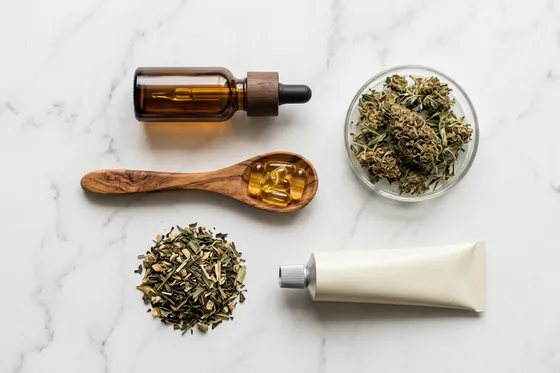
The market for CBD products is vast and growing. Here are the most common types of CBD products available.
CBD Oil
CBD oil is the most popular form of CBD. It is made by extracting cannabidiol from the hemp plant and diluting it in a carrier oil. CBD oil is taken sublingually — a few drops under the tongue — for fast absorption. It comes in a wide range of concentrations. See our CBD oil guide.
CBD Flowers
CBD flowers are the dried buds of the hemp plant with high CBD and low THC. They can be used in a dry herb vaporiser or for making infusions. Discover CBD flowers.
CBD Hash
CBD hash is a concentrate made from the resin of the hemp plant. It has a higher concentration of CBD than flowers and a rich, earthy flavour. Explore CBD hash.
CBD E-Liquids
E-liquids infused with CBD are designed for use in vape devices. They offer a fast-acting way to consume CBD. Terpy is a leading specialist for CBD e-liquids. Browse CBD e-liquids.
CBD Extracts
Concentrates like wax, shatter, and moonrock offer the highest concentration of CBD. These are premium products for experienced users. See CBD extracts.
Where to Buy CBD Products
For high-quality CBD products, the most trusted online shops are:
- JustBob — flowers, hash, oil, extracts. Use the JustBob discount code for 15% off every order
- Terpy — CBD e-liquids for vaping. Use the Terpy discount code for 10% off
- SensorySeeds — cannabis seeds for collectors. Use the SensorySeeds discount code for 10% off
Shop CBD products with 15% off at JustBob
Side Effects of CBD: Is CBD Safe?
The World Health Organization has stated that CBD has a good safety profile. CBD does not cause addiction and does not produce mind-altering effects. However, like any substance, CBD can have side effects in some people:
- Dry mouth
- Drowsiness (at high doses)
- Changes in appetite
- Potential interactions with some medications
If you are taking medications, it is important to consult your doctor before using CBD products. CBD may interact with drugs metabolised by the liver through the cytochrome P450 enzyme system. This is particularly relevant for people taking blood thinners, anti-seizure medications, or other prescription drugs.
CBD products should be avoided during pregnancy and breastfeeding, as there is not enough research on the risk to the developing baby.
How to Choose Quality CBD Products
With so many CBD products on the market, choosing the right one can be overwhelming. Here are the key factors to consider.
Third-Party Lab Testing
The best CBD products come with certificates of analysis (COAs) from independent laboratories. These reports verify the CBD and THC content of the product and confirm the absence of contaminants like heavy metals, pesticides, and residual solvents. If a product does not have lab reports available, look for one that does.
Full Spectrum, Broad Spectrum, or Isolate?
- Full spectrum CBD: contains CBD along with other cannabinoids, terpenes, and a trace amount of THC (less than 0.3%). The combination of compounds may produce an enhanced effect known as the "entourage effect"
- Broad spectrum CBD: contains CBD and other cannabinoids, but with THC removed
- CBD isolate: pure CBD with no other compounds. Suitable for those who want to avoid any trace of THC
Hemp Source
Quality matters. Look for CBD products made from organically grown hemp. Products derived from European or American-grown hemp tend to have the highest quality standards.
Frequently Asked Questions About CBD
What is CBD?
CBD, or cannabidiol CBD, is a naturally occurring cannabinoid found in cannabis plants. It is one of the most abundant compounds in hemp and does not cause mind-altering effects. CBD is used in a wide range of products including oils, flowers, hash, e-liquids, and extracts.
Does CBD get you high?
No. CBD does not cause a high. Unlike THC, cannabidiol does not produce euphoria or mind-altering effects. It does not bind to CB1 receptors in the brain the way THC does, which is why it does not cause intoxication.
Is CBD legal?
In the United States, hemp-derived CBD products containing less than 0.3% THC are legal under the 2018 Farm Bill. In Europe, CBD products with less than 0.2% THC are generally legal. Regulations can vary by state and country, so check your local laws.
Does CBD have side effects?
CBD is generally well tolerated. Possible side effects include dry mouth, drowsiness, and interactions with some medications. Consult your doctor if you are taking prescription drugs.
What is the difference between CBD and THC?
CBD and THC are both cannabinoids found in cannabis, but they have very different effects. THC causes mind-altering effects and can cause a high. CBD does not. THC binds to CB1 receptors in the brain; CBD does not.
Can CBD help with pain?
Research suggests that CBD may help manage pain and inflammation by interacting with receptors in the body. However, more research is needed, and CBD should not be used as a replacement for medical treatment.